Business Documents and Chart Vector Assets
In the fast-paced world of professional communication, clarity is currency. Whether you are drafting a quarterly financial report, finalizing a partnership agreement, or presenting market research, the visual quality of your documentation speaks as loudly as the text itself. This is where high-quality Business Documents and Chart Vector assets become indispensable tools for modern professionals. Rather than spending hours drawing lines in presentation software or struggling with pixelated screenshots, utilizing dedicated vector illustrations allows you to integrate crisp, scalable, and thematically consistent graphics directly into your workflow. These assets bridge the gap between raw data and compelling storytelling, ensuring that complex information is digestible and visually engaging.
Defining the Visual Standard
When we discuss Business Documents and Chart Vector resources, we are referring to a specific category of digital illustration designed for corporate and administrative contexts. Unlike raster images (such as standard photographs), vectors are constructed using mathematical paths. This fundamental difference means they can be resized infinitely without losing resolution. A financial report icon that looks sharp on a mobile screen will remain equally pristine when blown up on a conference room projector or printed on a large-format poster.
The specific concept of "Business Documents and Chart Vector Icon Concept" encompasses a wide array of visual metaphors. It includes stylized representations of contracts with signature lines, bar graphs showing upward trends, pie charts breaking down budgets, and clipboards signifying audits or checklists. The "Black Illustration" style mentioned in many premium asset packs offers a distinct advantage: neutrality and versatility. Black line art or solid black silhouettes adapt seamlessly to any brand color palette. They provide structure without competing for attention, allowing your actual data and branded colors to take center stage while maintaining a cohesive aesthetic throughout the document.
Technical Formats: JPG vs. EPS
Understanding file formats is crucial for maximizing the utility of these assets. Most comprehensive vector packs include both EPS and JPG formats, each serving a distinct purpose in your production pipeline.
- EPS (Encapsulated PostScript): This is the master source file. It is fully editable in vector software like Adobe Illustrator, CorelDRAW, or Affinity Designer. With an EPS file, you can change the stroke weight, alter the color from black to your specific brand hex code, combine elements, or remove unnecessary details. It is the format of choice for designers who need total control.
- JPG (Joint Photographic Experts Group): While typically associated with photography, JPGs in this context serve as ready-to-use previews or quick inserts. They are ideal for users working in Microsoft Word, PowerPoint, or Canva who do not have access to vector editing software. However, keep in mind that JPGs have fixed dimensions and cannot be edited at the path level.
For professional output, always prioritize the EPS version for print materials and high-resolution digital displays. Reserve the JPG versions for internal drafts, low-bandwidth web use, or quick mockups.
Practical Applications Across Industries
The versatility of Business Documents and Chart Vector graphics extends far beyond simple decoration. These assets solve real communication problems across various sectors by providing immediate visual context.
Financial Reporting and Accounting
In accounting, precision is paramount, but density is the enemy of comprehension. A wall of text detailing fiscal performance often leads to reader fatigue. Integrating clean, black-line chart vectors helps break up dense tables. For example, placing a minimalist trend line icon next to a revenue summary instantly signals growth or decline before the reader processes the specific numbers. These illustrations act as cognitive anchors, guiding stakeholders through complex balance sheets and income statements with greater ease.
Legal Agreements and Contracts
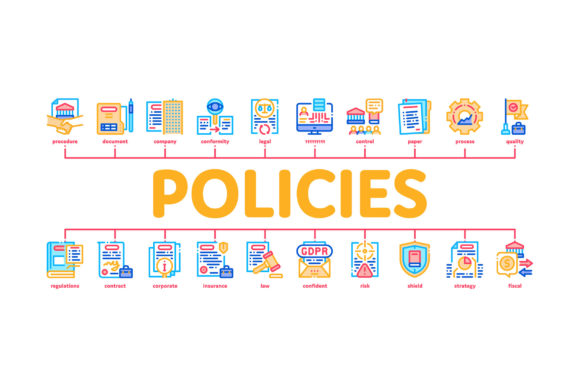
Legal documents are notoriously intimidating. While the text must remain rigorous, the presentation can be softened and organized using vector icons. Using specific Agreement and Contract vectors—such as handshake icons, gavel symbols, or signed document illustrations—in section headers helps users navigate lengthy terms of service or employment contracts. In digital contract platforms, these vectors improve user experience by creating visual milestones, making the signing process feel less daunting and more structured.
Research and Market Analysis
Marketers and researchers rely heavily on infographics to synthesize findings. Creating custom infographics from scratch is time-consuming. A robust Business Documents and Chart Vector library accelerates this process significantly. Instead of drawing a new funnel diagram for every client presentation, you can select a pre-designed vector element and customize it. This consistency builds trust; when your research reports maintain a uniform visual language over time, your audience begins to associate that professional aesthetic with your analytical rigor.
Enhancing Brand Consistency and Efficiency
One of the most overlooked benefits of adopting a standardized set of vector assets is the impact on operational efficiency. In many organizations, different departments create slides and documents in isolation, resulting in a fractured visual identity. Marketing uses glossy 3D renders, finance uses default Excel charts, and HR uses clip art. By establishing a centralized library of Business Documents and Chart Vector illustrations, companies can enforce visual cohesion.
This standardization also drastically reduces production time. Freelancers and agency creatives know that billing hours spent searching for "the right icon" or trying to align mismatched graphics eats into profitability. Having a curated, high-quality EPS pack on hand means the visual component of a project is solved in minutes rather than hours. This efficiency allows professionals to focus their energy on analysis, strategy, and content quality rather than graphic design troubleshooting.
Accessibility and User Experience
Beyond aesthetics, these vectors play a role in accessibility. High-contrast black illustrations generally meet WCAG guidelines for visual clarity better than subtle gradients or low-contrast colors. When used as decorative separators or contextual cues in digital documents, they help screen reader users understand document structure (provided appropriate alt text is used) and assist neurodivergent readers in parsing information hierarchy. The clean lines reduce visual noise, which is particularly beneficial in educational materials or training manuals where cognitive load must be minimized.
Selecting the Right Asset Pack
Not all vector collections are created equal. When evaluating Business Documents and Chart Vector resources for your library, consider the following practical criteria to ensure long-term value:
- Stroke Consistency: Ensure all icons in the set share the same line weight and corner radius. Mixing thick, rounded icons with thin, sharp ones creates subconscious dissonance.
- Metaphor Clarity: Avoid overly abstract representations. A financial report icon should clearly look like a report, not a generic geometric shape. Test the icons at small sizes to ensure they remain recognizable.
- Editability: Verify that the EPS files are properly layered and grouped. Some poorly converted vectors have expanded strokes or merged shapes that make recoloring impossible. Always test a sample file in your preferred software before purchasing or downloading.
- Licensing Terms: Confirm whether the license covers commercial use, especially if you are creating deliverables for clients or publishing widely distributed reports. Understanding the legal boundaries protects your business from future liability.
Ultimately, investing in high-quality Business Documents and Chart Vector assets is an investment in professional credibility. In an era where attention spans are short and competition is fierce, the ability to present complex business concepts with clarity, elegance, and speed is a significant competitive advantage. Whether you are a solo entrepreneur drafting a proposal or a corporate team overhauling your annual report template, these tools provide the foundational visual vocabulary needed to communicate effectively.