Elevating Visual Storytelling: Why the Chartup Presentation Template Matters in Modern Business Communication
In an era defined by information saturation, the ability to communicate complex ideas with clarity and visual impact has transitioned from a soft skill to a critical business imperative. Professionals across industries are no longer judged solely on the merit of their data or the strength of their strategy, but on their ability to translate those assets into a compelling narrative. This shift has fundamentally altered the expectations surrounding pitch decks, corporate profiles, and portfolio presentations. Within this evolving landscape, tools like the Presentation Template - Chartup have emerged not merely as design shortcuts, but as strategic frameworks that bridge the gap between raw content and persuasive storytelling.
The Evolution of Professional Presentation Standards
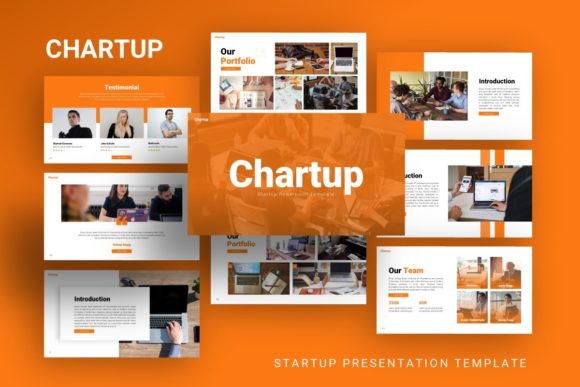
The modern presentation ecosystem is vastly different from the slide decks of a decade ago. Today’s audiences—whether they are venture capitalists, potential clients, or internal stakeholders—possess a refined visual literacy shaped by high-quality digital experiences. They expect seamless aesthetics, intuitive data visualization, and a cohesive brand identity. The introduction of resources like Introducing Chartup Startup Presentation signals a broader industry acknowledgment that design infrastructure is just as important as the content itself.
We are witnessing a convergence of design and utility. Historically, professionals had to choose between bespoke, expensive agency work or generic, rigid templates that stifled creativity. Chartup represents a maturation of the middle ground. It offers the structural sophistication of agency-grade design while maintaining the accessibility required for agile workflows. This balance is particularly relevant as remote work and asynchronous communication continue to dominate. When a presenter cannot rely on physical charisma or real-time clarification, the slide deck must stand alone as a comprehensive, visually engaging document.
Versatility Across Diverse Professional Verticals
One of the most significant trends in current business software and asset development is cross-functional adaptability. Specialized tools are valuable, but versatile ecosystems are essential for lean teams and multifaceted entrepreneurs. The Presentation Template - Chartup exemplifies this trend through its broad applicability. It is engineered to serve distinct purposes without losing its core identity, making it a vital asset for:
- Creative Agencies and Portfolios: Where visual hierarchy and whitespace are as important as the copy.
- Startups and Pitch Decks: Where investor confidence is often correlated with the professionalism of the visual deliverable.
- Corporate and Business Profiles: Where consistency and brand alignment across departments are paramount.
- Photography and Personal Branding: Where the layout must enhance, rather than compete with, visual assets.
This versatility addresses a changing need in the freelance and entrepreneurial economy. Professionals rarely stay in one lane; a graphic designer may need to pitch a service proposal today and showcase a photography portfolio tomorrow. Having a unified template system that adapts to these varying contexts reduces cognitive load and ensures brand consistency across disparate projects.
Technical Architecture as a Workflow Accelerator
Beyond aesthetics, the relevance of Chartup lies in its technical construction. In professional environments, time is the scarcest resource. A beautiful template that breaks when edited is ultimately useless. The emphasis on Master Slides within this template is a direct response to the pain points of non-designers who need to maintain professional standards under tight deadlines.
By utilizing a master slide architecture, users can implement global changes across multiple slides instantly. This feature aligns with modern workflow expectations where iteration speed is key. Furthermore, the inclusion of 35 slides for each template provides a comprehensive library of layouts that anticipate common communication needs. Rather than staring at a blank canvas, users are presented with pre-validated structures for timelines, team introductions, financial projections, and conceptual overviews.
The technical specifications also highlight a commitment to scalability. With all graphics resizable and editable and pixel-perfect illustrations, the template respects the integrity of the output regardless of the display medium. Whether projected on a 4K conference screen or viewed on a laptop during a Zoom call, the visual fidelity remains intact. This attention to technical detail underscores a shift away from disposable design toward sustainable, reusable asset creation.
Data Visualization and the Handcrafted Infographic
Data storytelling is perhaps the most critical component of modern business communication. Audiences are skeptical of raw numbers; they seek context and narrative. The handcrafted infographic in PowerPoint included with Chartup addresses the growing demand for accessible data visualization. Unlike auto-generated charts that often look sterile or confusing, handcrafted infographics guide the viewer’s eye and emphasize the specific insight the presenter wants to convey.
This feature connects to a larger movement in business intelligence: the democratization of data design. Previously, creating custom infographics required specialized vector software and significant design training. By integrating these elements directly into an editable .PPTX file with vector icons, Chartup empowers marketers and founders to create bespoke visual data representations without outsourcing. This capability is crucial for startups pitching to investors, where the ability to visualize market size, growth trajectories, and user acquisition models can determine funding outcomes.
Customization as a Strategic Advantage
The phrase easy customizable contents appears frequently in product descriptions, but in the context of Chartup, it carries strategic weight. Customization is not just about changing colors; it is about adapting the narrative structure to fit specific audience psychographics. The template’s design allows for deep modification while preserving the underlying grid and typographic harmony.
For example, a creative agency might utilize the bold imagery placeholders to emphasize past work, minimizing text to let the visuals speak. Conversely, a corporate entity might leverage the same master slides to focus on text-heavy compliance updates or detailed quarterly reports, using the picture placeholders only for supporting diagrams. This elasticity ensures that the tool grows with the user. It supports the drag and drop functionality that modern users expect, reducing the friction between idea generation and slide creation.
Navigating Asset Management and Expectations
As professionals integrate third-party templates into their workflows, understanding the scope of deliverables is essential for efficient project management. Chartup is transparent about its components, including the PowerPoint .PPTX file, Documentation File, and Vector Icon sets. However, it is equally important to note the standard industry practice regarding preview assets. As stated in the product notes, all images on the demo are just for preview purpose only and not actually included in the files.
This distinction is vital for workflow planning. It encourages users to source or create their own authentic imagery, which ultimately leads to a more genuine and legally compliant presentation. Relying on stock photography from a template demo can inadvertently make a brand look generic. By providing the structure (the picture placeholder) without the specific content, Chartup enforces a best practice: the template provides the stage, but the user must provide the performance. This approach aligns with the broader push toward authenticity in marketing and corporate communications.
The Future of Presentation Design Tools
Looking forward, the success of templates like Chartup suggests several key developments in the professional communication space. First, we can expect continued integration between presentation software and other productivity tools. Second, the line between "document" and "slide deck" will continue to blur, with templates needing to function as readable PDFs as well as live presentation aids. Third, the demand for modular, component-based design systems will grow as organizations seek to maintain brand consistency across distributed teams.
Chartup sits at the intersection of these trends. It is not merely a collection of pretty slides; it is a response to the systemic challenges of modern communication. It acknowledges that professionals need speed without sacrificing quality, versatility without complexity, and structure without rigidity. For the entrepreneur preparing a seed round pitch, the freelancer building a personal brand, or the executive summarizing a fiscal year, this template offers a reliable foundation.
Practical Implementation for Maximum Impact
To truly leverage the capabilities of Presentation Template - Chartup, users should approach it as a design system rather than a linear sequence of slides. Start by reviewing the documentation file to understand the master slide relationships. Audit the 35 available layouts and map them to your specific narrative arc before inserting content. Utilize the vector icons to create visual anchors that break up text-heavy sections. Most importantly, treat the picture placeholders as opportunities for brand-specific storytelling rather than generic filler spaces.
By adopting this strategic mindset, professionals can transform a standard template into a powerful communication vehicle. In a marketplace where attention is the ultimate currency, the polish, coherence, and clarity provided by tools like Chartup are not luxuries—they are prerequisites for being heard. As the demands of business communication continue to evolve, having a robust, adaptable, and professionally crafted presentation framework is an investment in your personal and organizational credibility. Hope you like it, and more importantly, hope it serves as a catalyst for your next successful communication.