Various Genetic Disorders Vector Assets Explained
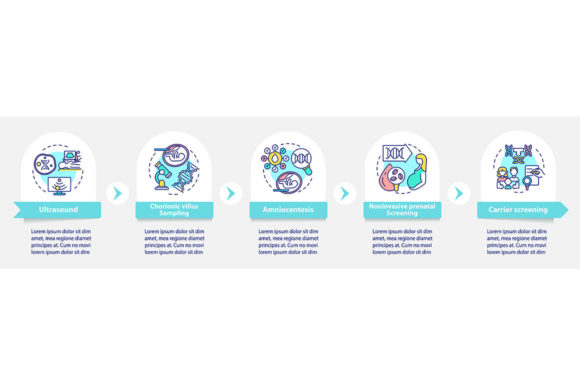
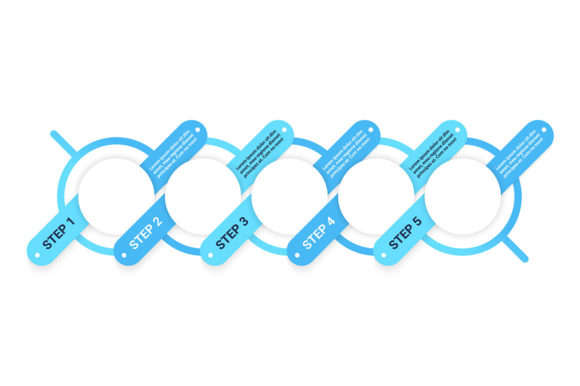
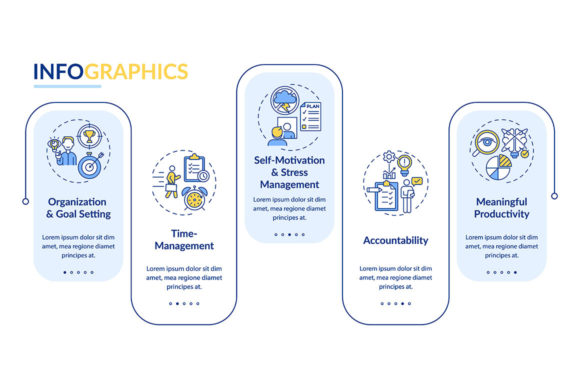
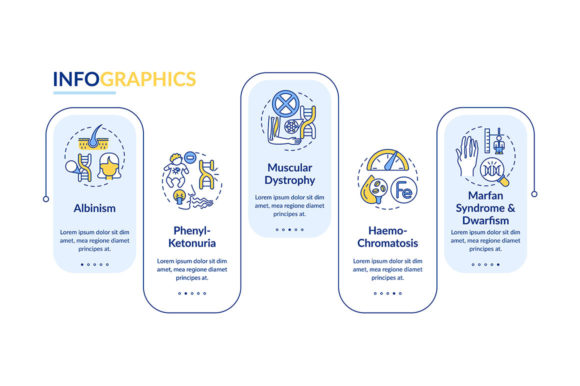
Visualizing complex biological concepts requires more than just accurate data; it demands clarity and aesthetic precision. A Various Genetic Disorders Vector collection serves as a foundational toolkit for translating intricate medical science into accessible visual narratives. These assets typically include infographic templates, healthcare presentation design elements, and specialized data visualization tools like five-step process timeline charts. Unlike raster images that pixelate when resized, vector graphics maintain crisp edges at any scale, making them indispensable for everything from large-format conference posters to mobile-friendly educational blogs.
The true value of these resources lies in their versatility. A comprehensive package often arrives as a ZIP file containing multiple formats including EPS, JPG, PNG, SVG, and AI. This multi-format approach ensures that whether you are a professional geneticist preparing a peer-reviewed lecture or a freelance designer creating patient brochures, the asset adapts to your specific workflow without compromising quality.
Diverse Applications Across Professional Fields
Different stakeholders interact with genetic disorder visuals through distinct lenses. Understanding these varied perspectives helps clarify why a single vector pack must serve multiple masters. The utility of a Various Genetic Disorders Vector shifts dramatically depending on whether the user prioritizes scientific accuracy, commercial appeal, or educational scaffolding.
Healthcare Professionals and Researchers
For clinicians and researchers, the primary concern is fidelity. When presenting findings on chromosomal abnormalities or metabolic disorders to colleagues, there is zero margin for artistic interpretation that sacrifices accuracy. These professionals utilize the included AI and EPS files to modify specific gene sequences or protein structures within the template. The linear icons and workflow layouts allow them to map out diagnostic pathways or treatment protocols precisely. For this group, the vector set is not merely decorative; it is a functional communication tool that reduces cognitive load during high-stakes presentations.
Educators and Academic Content Creators
Teachers and professors face the challenge of simplification without reductionism. They need visuals that bridge the gap between textbook density and student comprehension. Here, the infographic templates and five-step process charts become pedagogical instruments. An educator might use the timeline chart to illustrate the progression of a hereditary condition or the steps involved in genetic screening. The ability to edit colors and labels in SVG format allows instructors to align materials with institutional branding or color-coding systems used throughout a semester. For educators, ease of editing and conceptual clarity often outweigh raw technical complexity.
Marketers and Health Communicators
In the realm of public health campaigns and medical marketing, engagement drives effectiveness. Marketers and bloggers require visuals that arrest attention while conveying trust. They often rely on the pre-rendered JPG and PNG files for quick deployment across social media platforms and websites where vector support may be limited. However, having access to the source vectors allows for customization to match brand guidelines. A health tech startup explaining their new gene therapy platform, for instance, uses these linear icons to create a sleek, modern interface that feels innovative rather than clinical. For this audience, speed of implementation and visual polish are paramount.
Evaluating Quality and Technical Flexibility
Selecting the right vector resource involves assessing several technical and practical dimensions. Not all genetic illustration packs are created equal, and discerning users should evaluate assets based on specific criteria relevant to their long-term needs.
- Format Versatility: A robust ZIP file should contain both editable source files (AI, EPS) and universal web formats (SVG, PNG). Relying solely on one format limits future utility. SVG is particularly critical for modern web accessibility and responsive design.
- Layer Organization: High-quality vectors feature logically named layers and grouped elements. If ungrouping a chromosome illustration results in hundreds of unnamed paths, the asset fails the efficiency test. Proper organization saves hours of frustration for designers modifying the template.
- Scientific Validity: While stylization is necessary for infographics, the underlying anatomy must remain recognizable to experts. Users should verify that the representations of DNA strands, cells, and inheritance patterns adhere to current scientific consensus.
- Scalability and Performance: Vectors should be optimized. Overly complex anchor points can bloat file sizes and slow down rendering in browsers or presentation software. Clean geometry ensures smooth performance across devices.
Practical Implementation Strategies
Owning the asset is only the first step; integrating it effectively requires strategic thinking. Below are practical approaches for maximizing the value of these design elements based on common project types.
Building Patient Education Materials
When creating brochures or handouts for patients diagnosed with genetic conditions, empathy guides design choices. Use the softer color palettes often found in healthcare templates to reduce anxiety. The five-step workflow layout can demystify what to expect during testing or treatment, transforming an overwhelming process into manageable stages. Always pair these visuals with plain-language text to ensure health literacy standards are met.
Enhancing Data-Driven Presentations
For conference talks or grant proposals, consistency establishes credibility. Utilize the master slide templates included in the vector pack to ensure every chart and icon shares the same stroke weight and color profile. The process timeline chart is particularly effective for showing longitudinal study results or the evolution of therapeutic interventions. By maintaining visual coherence, you help the audience focus on the data rather than adjusting to shifting design styles.
Developing Digital Learning Modules
E-learning developers can leverage SVG versions of these vectors to create interactive content. Because SVGs are code-based, individual elements within a genetic disorder diagram can be made clickable, triggering tooltips or audio explanations. This transforms a static Various Genetic Disorders Vector into an active learning component. The linear icons work exceptionally well as navigation markers or progress indicators within a learning management system.
Matching Resources to User Goals
Determining whether a specific vector collection aligns with your objectives requires honest self-assessment regarding skill level and project scope. Beginners may find fully assembled infographic templates most valuable, as they provide immediate results with minimal learning curve. These users benefit from the "done-for-you" aspect of the JPG and PNG exports while gradually learning to manipulate the simpler SVG elements.
Intermediate users and freelancers typically seek the balance between structure and freedom offered by EPS and AI files. They have the software proficiency to deconstruct templates but appreciate the time savings of starting with professionally organized assets. For them, the value proposition is efficiency: delivering client work faster without sacrificing custom quality.
Advanced professionals and institutions prioritize long-term utility and licensing flexibility. They evaluate whether the vector set can serve as a basis for a proprietary design system. Can these linear icons be expanded into a full library? Do the genetic illustrations cover enough ground to support multiple departments? For these users, the initial cost is weighed against years of potential reuse across diverse media channels.
Navigating Ethical and Inclusive Design
When working with sensitive topics like genetic disorders, visual representation carries ethical weight. Users must consider inclusivity in their adaptations. Ensure that human figures depicted alongside genetic diagrams represent diverse populations. Avoid stigmatizing imagery or overly alarmist color schemes unless clinically justified. The best vector packs provide neutral, adaptable bases that allow creators to inject appropriate cultural and contextual sensitivity.
Furthermore, accessibility should inform how these vectors are deployed. When using SVG or PNG formats online, always include descriptive alt text that conveys the informational content of the image, not just its appearance. Screen reader users deserve the same educational value as sighted users. The structured nature of vector graphics actually supports better accessibility practices when implemented thoughtfully, as semantic grouping in the source file can translate to meaningful descriptions.
Ultimately, a Various Genetic Disorders Vector collection is more than a bundle of digital art; it is a bridge between specialized knowledge and public understanding. Whether facilitating groundbreaking research communication, enhancing classroom learning, or supporting patient journeys, these assets empower creators to handle complex information with care and competence. By selecting resources that offer technical flexibility and approaching their use with audience-specific intention, professionals across the spectrum can elevate the standard of health communication.